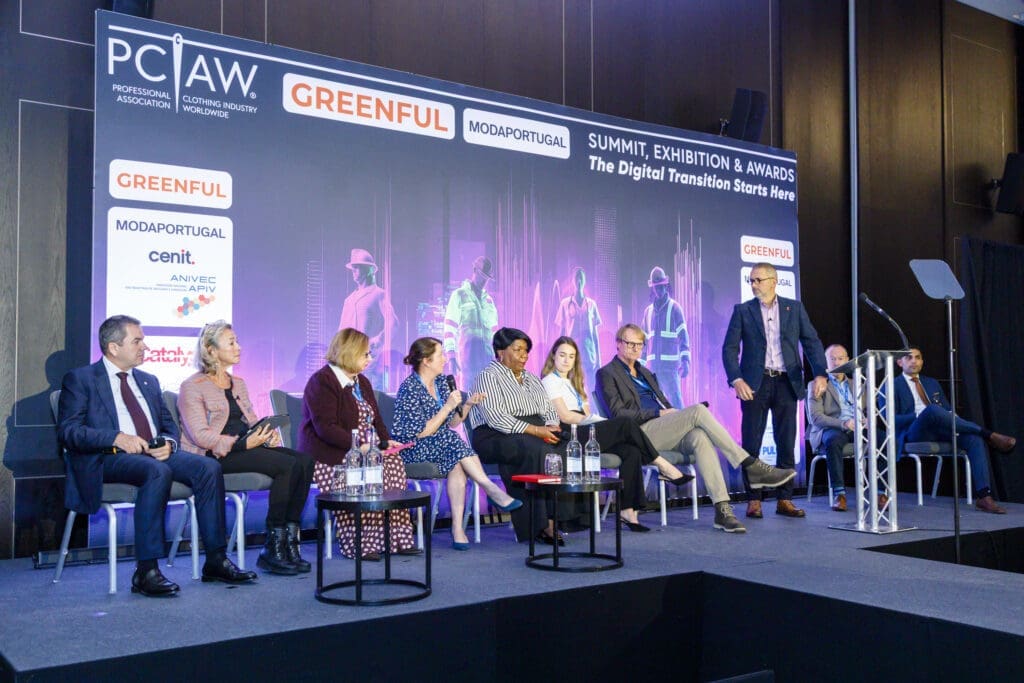
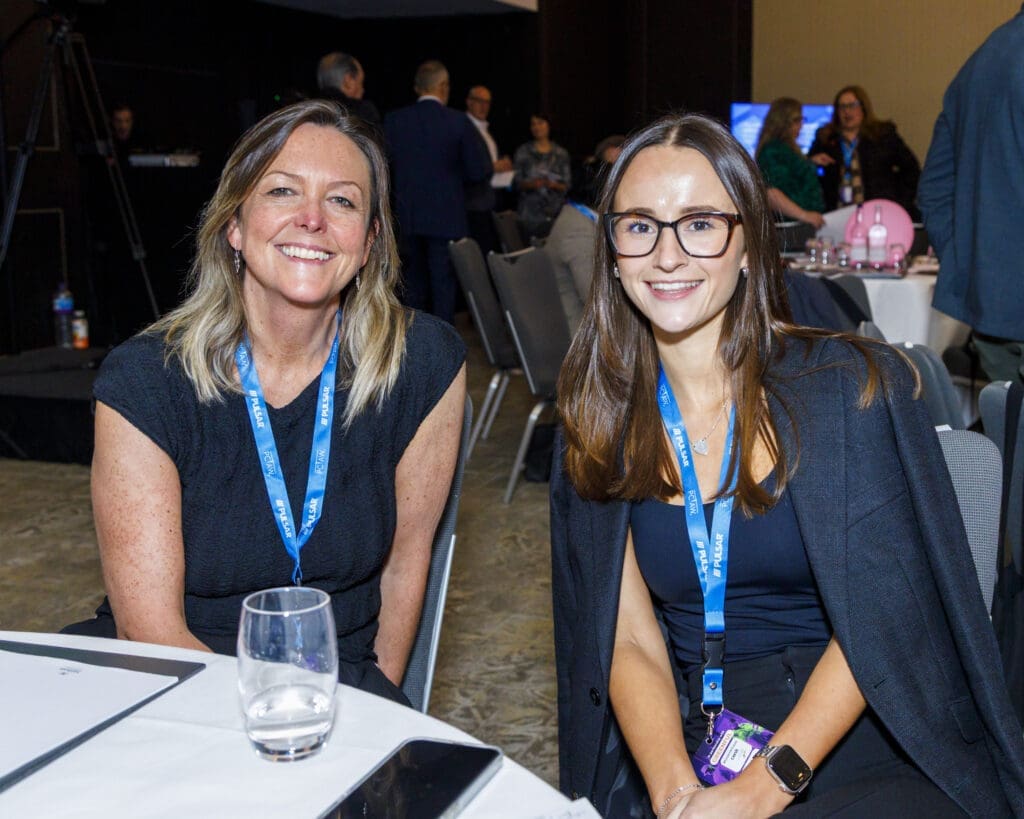
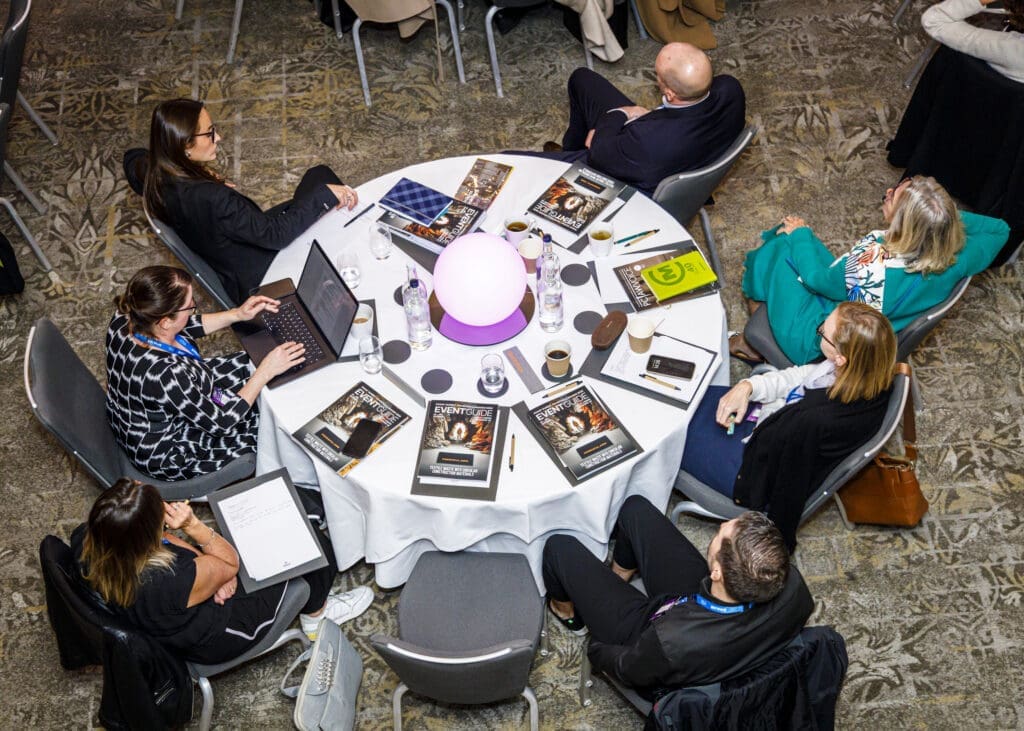
“The Digital Transformation Starts Here” | 29 – 30th October 2025 | Hilton London Bankside, UK
This years’ PCIAW® Summit brought together an inspiring mix of forward-thinking suppliers, innovators, end users, and educators – all united by a shared vision for future-proofing the professional clothing industry.
- Day 1 saw speakers discuss The Digital Transformation, this year’s central theme, with key stakeholders and industry experts exploring the crucial factors reshaping the sector.
- Day 2 provided a comprehensive round-up of the PCIAW® Roundtables held throughout the year, where professionals engaged in focused discussions to address challenges, share best practices and explore opportunities to strengthen the industry.
Our team found the event, as always, to be a fantastic opportunity to connect – and reconnect – with professionals from a wide range of organisations across the industry, while gaining valuable insights and learning from the experiences and expertise of others. The innovation, collaboration & passion on display throughout the Summit highlighted just how powerfully our industry is evolving – driving change toward a more sustainable and circular future.
Sustainability and circularity emerged as defining themes of this year’s summit, shaping discussions across the event and resonating strongly with our team. In this look back, we reflect on the key insights, challenges, and opportunities explored over the two days, sharing our main takeaways from conversations on traceability, regulation, inclusive design, and the role of technology in shaping a more responsible industry.
Advancing Traceability and Product Transparency
Insights shared throughout the discussions underscored the importance of traceability – and how we must shift the perception from being ‘nice-to-have’ to an essential requirement. True traceability provides full visibility across the entire supply chain, enabling companies to monitor the origin, journey, and handling of every component. Enhanced traceability at component level enables complete, end-to-end visibility across the entire lifecycle of each material, supporting the creation of a truly circular ecosystem. The greatest risks to traceability were identified as profit pressures in high-cost production, complex multi-tiered supply chains, fibre blending, lack of reporting, and limited visibility during processing, manufacturing, and end-of-life stages. Addressing these risks can be achieved through regulatory compliance, self-imposed sourcing targets, and robust strategies for risk mitigation and reputation management.
The introduction of the DPP was also a stand-out discussion, with Regulatory requirements expected to be implemented in 2027. It is a key focus for us moving in 2026, as it will enable more informed decisions in driving the transition to truly sustainable outcomes and supply chains. We are gradually seeing DPP-compliant labelling being adopted by suppliers and brands across Europe with digital solutions becoming integrated into physical products, including on labels and packaging. These ‘digital triggers’ such as QR codes, RFID and NFC tags, may even potentially replace traditional linear barcodes in the future.
To implement these technologies effectively, businesses must first identify consumer pain points to determine the most valuable and relevant use cases. This shift to digitally enabled product communication will not only help companies meet emerging requirements but will also empower consumers and businesses with clear information about the products they’re purchasing. As technical consultants, we are continually identifying new ways to support our clients in specifying and meeting these emerging legislative requirements across Europe.
Market leaders also showcased the significant strides being made to transform textile waste into valuable new products – from recycled clothing to construction materials.
- Adrian Jones (BlockTexx) shared the company’s mission in remanufacturing waste to prevent textiles from ending up in landfill, from fibre to fibre, fibre to product, and fibre to agriculture. They provide complete transparency of a garment’s content, ensuring future recycling is already traceable and brand security is a top priority when it comes to recycling used workwear.
- Toomas Alikas, (Greenful Group), demonstrated how the waste from recycled textiles (where fibres are unable to be returned into the fibre supply chain) are being repurposed into fireproof, waterproof, and highly durable construction materials, used in everything from roofing tiles and insulated panels to paving bricks and fencing.
Ecodesign in Practice: Fibre Fragmentation and Environmental Consideration
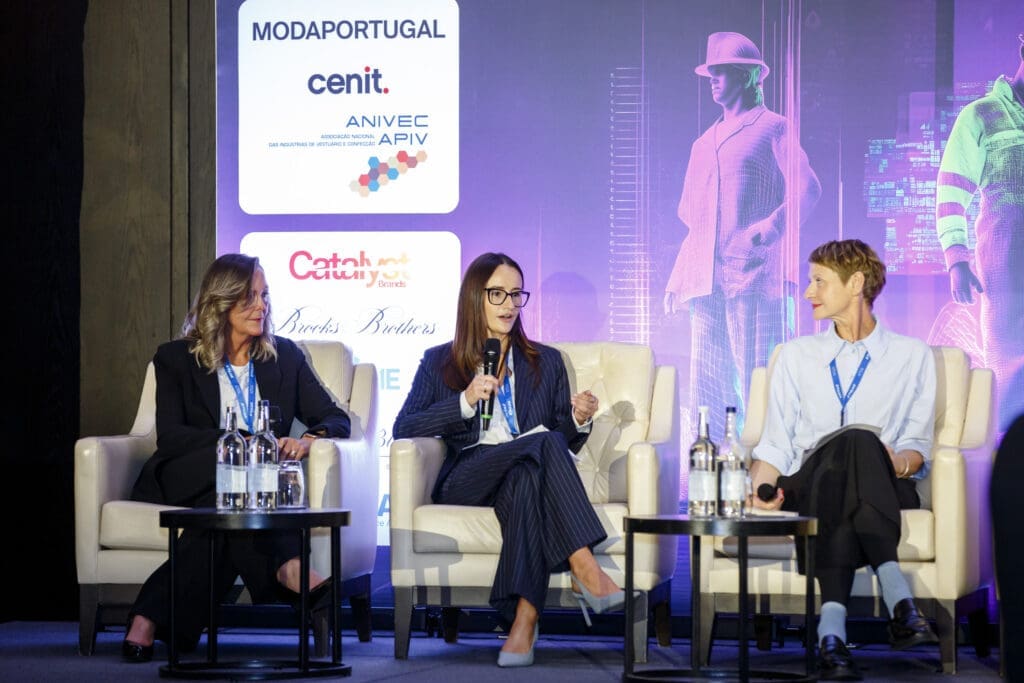
Dr Kelly Sheridan, (The Microfibre Consortium – TMC), and Debbie Huntley (Pulsar), shared eye-opening insights into fibre fragmentation and the profound impact of microfibre pollution on our environment. They shared the results of TMC’s research evaluating the shedding lifecycle of fibres and how we can integrate this into our design strategies, emphasising the need to study and analyse fabrics to understand which materials contribute most to and influence shedding, and which processes are primarily responsible, such as chemical finishing.
Dr Sheridan also shared her fascinating background in forensic science and how she used fibre analysis to help solve complex criminal cases. In forensic investigations, microscopic examination and the comparison of fibres, such as those transferred between suspect and victim, can provide crucial trace evidence that helps link individuals or objects to a crime scene. Hearing about this work put the importance of fibre fragmentation into perspective for us, highlighting how similar processes occur in our clothing and contribute to environmental pollution, underscoring the need for greater traceability of fibres from source within the textile and clothing industries.
Other design strategies were explored on stage in the context of Ecodesign capabilities, in line with the EU Strategy for Sustainable and Circular Textiles. It was emphasised to us that there is an increasingly urgent responsibility to integrate environmental considerations into design and product development – we must produce with sustainability in mind, to minimise environmental impact throughout a product’s lifecycle. However, as Rick van Es, (Phantomleaf® Textiles GmbH) highlighted in his talk, we must remember to balance performance with compliance, ensuring that meeting these upcoming requirements does not come at the expense of product effectiveness. At WSI, we focus on strategies such as careful material selection, enhancing durability & longevity, and implementing effective waste reduction, while continually exploring and researching additional approaches with our clients’ needs in mind.
Protecting Diverse Workforces: Inclusive PPE and Operational Uniforms
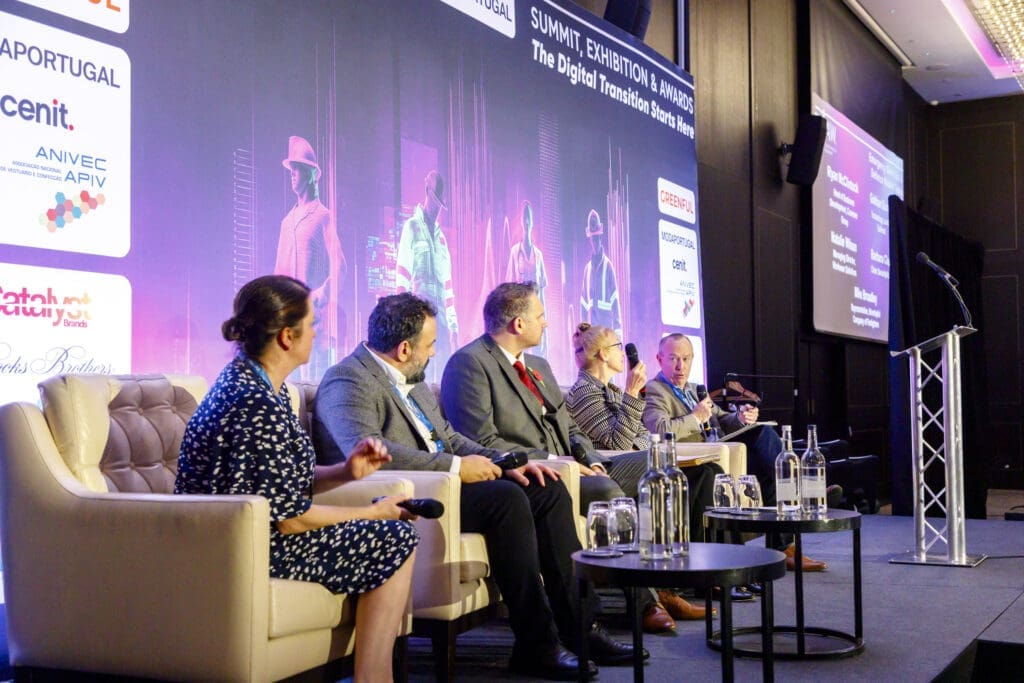
The Emergency Services & Defence Round Table connected the emergency services and defence forces with the industry value chain. The discussion “supported efforts to address the challenges in professional clothing that impacts wearer safety in life-saving situations”. Panellists included Ryan McClintock (Cooneen Group), Gokhan Duman (DuPont), Barbara Cleary (SecurityWomen), Mike Broadley (Worshipful Company of Firefighters) and our MD & Founder, Natalie Wilson.
It was made clear that buyers are becoming increasingly focussed on inclusive design for lifesaving PPE and operational uniforms, and that as society changes, more equipment is being supplied to organisations outside of defence. For example, we are seeing ballistic vests being supplied to fire and ambulance services, not just the police sectors. The need to adapt our product offerings to address the evolving needs of diverse workforces was at the forefront of this discussion, as it is an essential step to not only ensure adequate protection but to also prevent additional or secondary risks that can arise from ill-fitting equipment.
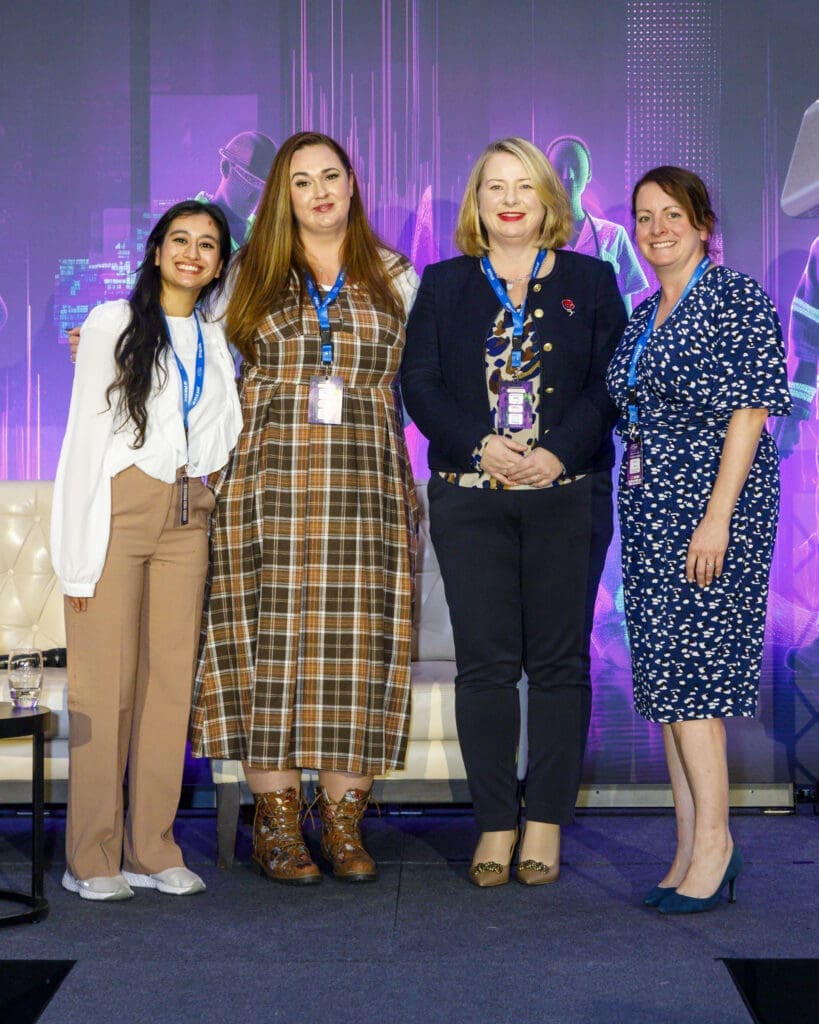
Discussing the findings of the Women in the Fire Service from data captured by PCIAW members who completed a sizing survey at their event in June, underscored the urgent need for inclusive PPE, with 20% of women surveyed reporting that they were too small for the current firefighting PPE offerings in the UK market today. This was noted in discussion about the new Inclusive PPE Standard, a panel which included Sara Gibbs (BSI), Kirsteen Sullivan (MP), Rowshi Hussain (Cundall) and Natalie Wilson. Understanding anthropometric data for today’s workforce must be the starting point for product development, testing and certification, to ensure products are both fit for form and fit for purpose.
The Skills, Training and Education Gap
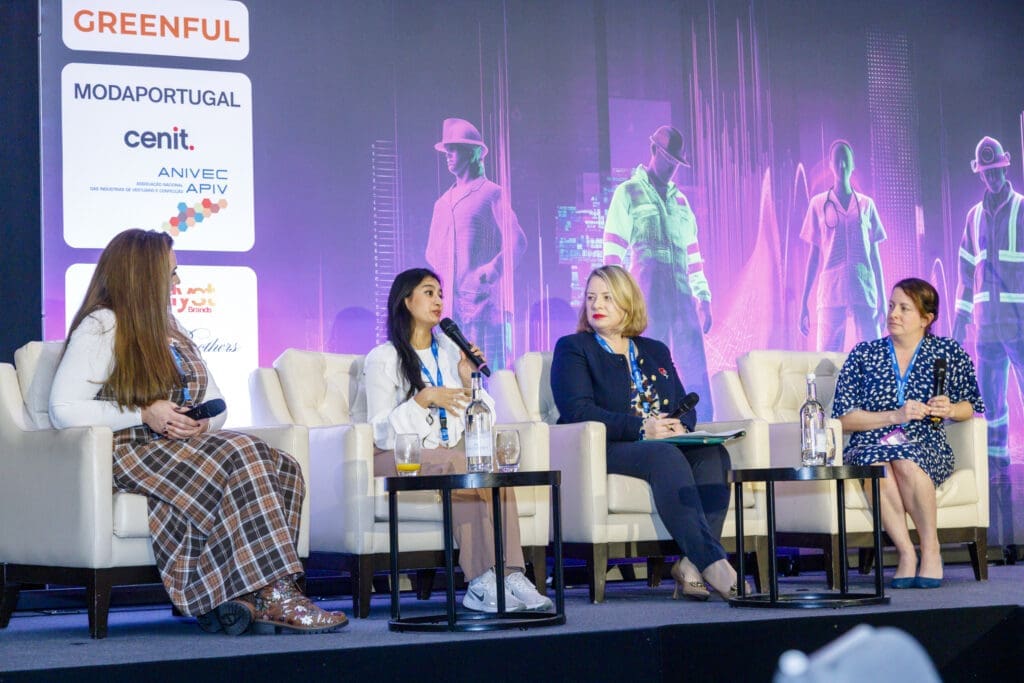
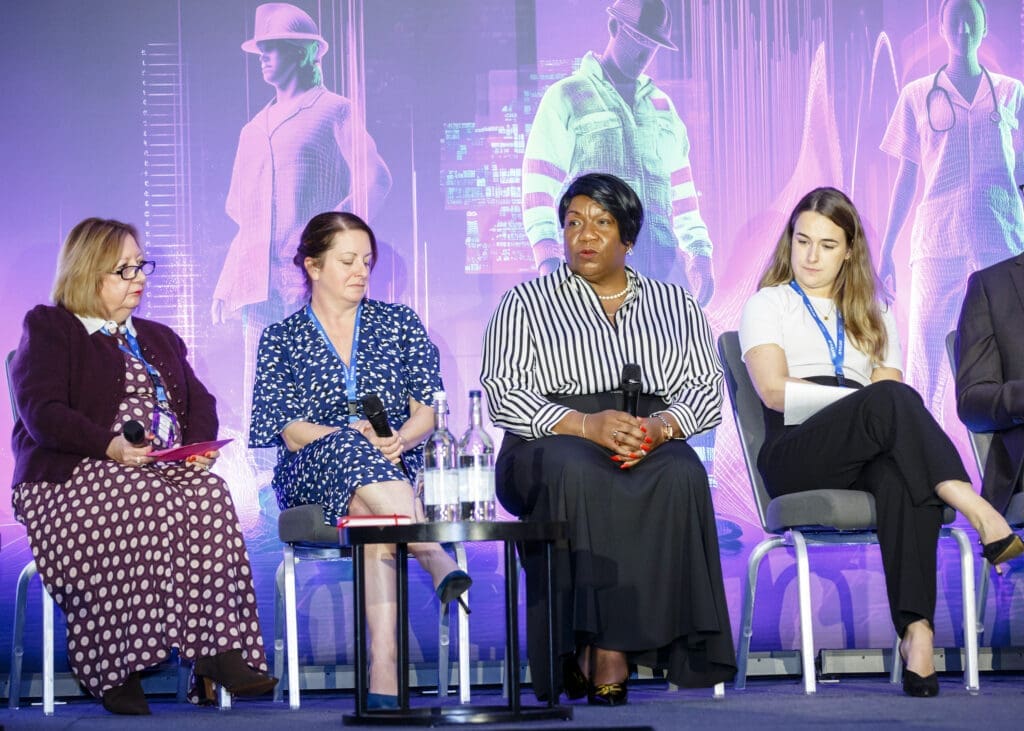
Another discussion that was brought onto the stage at the Summit was the Skills, Training and Education Gap Roundtable. Panellists included Karen Burrows (Madeira UK), Annette van Es (Phantomleaf Textiles GmbH) Deb Southerland (UWE), Sarah Wilsher and Rebekah Bradley.
Rebekah said: “speaking on the panel at this year’s Summit was an incredibly valuable experience; not only did it mark my first time speaking at such an event, but it also provided me the opportunity to share my insights to this meaningful discussion and engage with a group of powerful female professionals”.
The discussion highlighted the critical importance of knowledge transfer and the role that stronger links between academia and industry play in making the sector more accessible and attractive to the next generation. It’s clear there is no sustained influx of new talent entering the uniform, workwear, and PPE industries, resulting in many companies continuing to operate as they always have rather than exploring new approaches to improve both business practices and end-user experience. The panel reinforced the value of the work WSI has been doing in collaboration with UWE Bristol, helping to introduce students to the breadth of opportunities within our innovative and creative industry. We would strongly encourage more companies to engage in similar initiatives – whether through graduate schemes, university partnerships, technical discussions, or the sharing of samples and materials – as these efforts are essential to nurturing future talent and will ultimately benefit the industry as a whole.
Natalie speaks on the ‘Board Directors Panel’
“When I first joined the Board, I did so to represent women & SME’s and was one of only two female voices. As the PCIAW® Board has grown over recent years, I’m proud we’ve managed to achieve a representative split with 5 of the 10 Board members being female. But most importantly, we represent the diversity of our industry – from fibres to finished goods and managed service providers. We work across industries from healthcare to hospitality, airlines to armed forces, and everything in between. It’s this diversity that gives me so much optimism for the future of the association and of our industry”.
Moving into 2026, the Board discussed the planned introduction of Steering Groups, transitioning the Round Table discussions from 2025 into panels and groups looking to educate and implement industry improvements across various categories such as Defence, Emergency Services, Sustainability and Inclusivity. Natalie will be leading the PCIAW’s Inclusivity Steering Group which will seek to explore inclusive design and fit across all sectors, bringing knowledge of the latest Inclusive PPE Standards for which she’s responsible across Europe.
The momentum of the event concluded with the Professional Clothing Show, showcasing innovative products and solutions driving improvement across the sector. Featuring global brands, the catwalk demonstrated “brand identity, ergonomic comfort, and sustainable design in an extravagant display of the industry’s capabilities”.
Our team left the Summit with a renewed commitment to collaboration and technology-driven solutions, taking away valuable insights, lessons from peers, and a clearer perspective on the issues shaping the future of our industry.